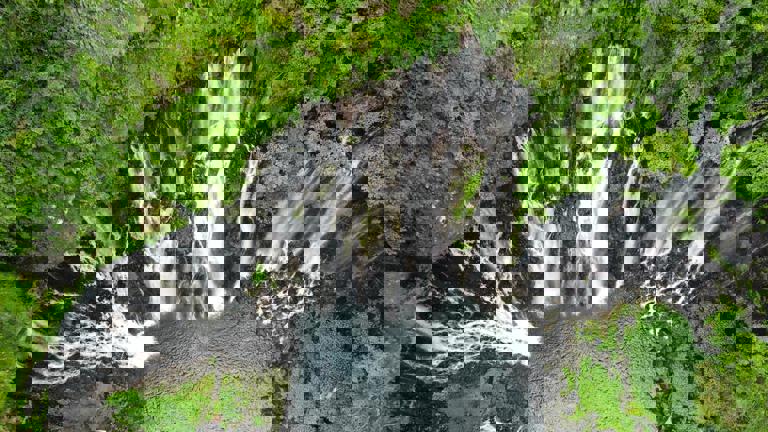
National park officials across Canada are intensifying efforts to combat illegal drone flights following a rise in incidents where wildlife has been disturbed in protected conservation areas. Recent reports have led authorities to implement stricter patrols and invest in new monitoring technology aimed at identifying and apprehending individuals who operate drones unlawfully. The initiative underscores a growing concern for the safety and well-being of sensitive species threatened by human interference, particularly through aerial disturbances.
Park rangers and enforcement teams have observed an increase in drone-related complaints, notably in zones where endangered species are nesting or foraging. National Parks Canada emphasized that unauthorized drones can disrupt animal behavior, leading to elevated stress levels, abandonment of young, and even fatalities in extreme cases. "The impact of drones on wildlife is not always immediately apparent but can have severe and lasting consequences," said Dr. Nadine Pelletier, a wildlife biologist with the agency.
Officials point out that flying drones in most Canadian national parks is strictly prohibited without prior authorization. This policy is designed to create a sanctuary atmosphere for both native and migratory species, some of which use parklands as seasonal refuges. Signs indicating 'No Drone Zones' have been widely installed, and educational campaigns are underway to inform visitors about the risks and penalties associated with violating these regulations.
Despite clear guidelines, recent months have seen a surge in social media videos posted by park visitors, showcasing drone footage over protected habitats. These high-profile posts have inadvertently encouraged copycat behavior, further complicating enforcement efforts. "People may not realize that even a brief flight can disrupt animals during critical breeding or nesting periods," warned park superintendent Adam LeClair.
To address this escalating challenge, park authorities have equipped patrol teams with advanced radio frequency detection devices that can locate and track unauthorized drones in real time. The new equipment marks a significant leap in enforcement capability, allowing rangers to identify pilot locations and issue fines more efficiently. Penalties for illegal drone operations can reach up to $25,000 under Canadian federal law, serving as a substantial deterrent to would-be violators.
Public cooperation is being sought through a combination of outreach initiatives and community reporting programs. Visitors are encouraged to report suspicious drone activity via a dedicated hotline or through park command centres. "We rely on the eyes and ears of all responsible park-goers to help us protect the wildlife and the serenity that make these places so special," explained conservation officer Riley Chen, highlighting the role of citizen involvement.
Besides enforcement, education remains a cornerstone of the response strategy. National Parks Canada is partnering with schools, tourism operators, and local community organizations to highlight the ecological impacts of drone disturbances. Workshops, illustrated pamphlets, and visitor centre talks aim to foster a broader understanding of how seemingly harmless recreational activities can have unintended consequences for animals and fragile ecosystems.
Wildlife advocacy groups have voiced strong support for the park service's crackdown on illegal drone use, calling it a necessary step to safeguard biodiversity hotspots. According to Marielle Fontaine of the Canadian Wildlife Federation, "Preserving natural habitats requires active vigilance. Drones represent a disturbing new threat to species already facing immense pressure from habitat loss and climate change." Her organization urges visitors to opt for traditional photography and respectful observation instead.
Technology providers, meanwhile, have expressed willingness to work with park authorities to develop safer flight systems and geo-fencing solutions. Manufacturers like SkySafe Solutions have introduced firmware updates that prevent drones from launching within sensitive coordinates by default. "Responsible technology integration can help prevent accidental intrusions while enabling recreational users to enjoy drone flying in appropriate areas," said CTO Lara Jensen.
Looking ahead, national park officials are considering further policy refinements, such as expanding restricted zones during breeding seasons and increasing the number of park rangers trained in drone detection. There is also discussion of establishing designated drone-friendly areas outside sensitive habitats to channel recreational interest away from vulnerable ecosystems. Stakeholder consultations are ongoing, with public feedback being actively solicited over the next several months.
As the crackdown on illegal drone flights continues, officials remain steadfast in their commitment to protecting the unique wildlife and landscapes that define Canada's national parks. They urge all visitors to respect the rules and appreciate that vigilance today preserves natural treasures for generations tomorrow. In the words of Chief Park Warden Emily Duval, "Our shared stewardship is essential—together, we ensure these protected places remain untouched sanctuaries for all their inhabitants."